
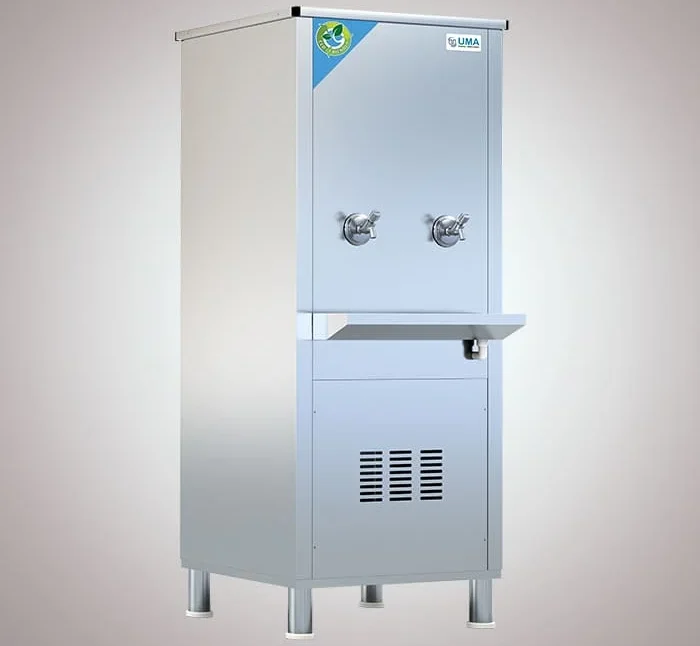
Water coolers have become an essential part of modern infrastructure, especially in commercial and industrial spaces where large groups of people require access to safe and chilled drinking water throughout the day. As energy costs continue to rise and environmental concerns grow, manufacturers are focusing on developing energy-efficient water coolers that deliver high performance while reducing electricity consumption.
Today’s water cooler manufacturers are not just building cooling machines—they are creating smart, sustainable, and cost-effective hydration solutions. In this blog, we explore how modern manufacturers are transforming the industry with energy-efficient technology, what features define these systems, and why businesses should choose them.
The Growing Demand for Energy-Efficient Water Coolers
In offices, factories, schools, hospitals, and public spaces, water coolers often run continuously for long hours. Traditional cooling systems consume a significant amount of electricity, leading to higher operational costs.
This has created a strong demand for energy-efficient water coolers that can:
- Reduce electricity consumption
- Maintain consistent cooling performance
- Operate continuously without overheating
- Lower long-term maintenance costs
Modern manufacturers are addressing these needs with innovative designs and advanced cooling technologies.
How Modern Manufacturers Improve Energy Efficiency
Leading water cooler manufacturers are integrating advanced engineering techniques to improve efficiency without compromising performance.
1. High-Efficiency Compressors
Modern water coolers use advanced compressors that require less power while delivering faster cooling. These compressors are designed to maintain stable performance even under heavy usage.
2. Improved Thermal Insulation
Manufacturers now use high-grade insulation materials that help maintain water temperature for longer periods. This reduces the frequency of cooling cycles and saves energy.
3. Smart Cooling Cycles
Instead of running continuously, modern water coolers operate on intelligent cooling cycles. The system activates only when required, significantly reducing power usage.
4. Eco-Friendly Refrigerants
Energy-efficient models use environmentally safe refrigerants that improve cooling performance while reducing environmental impact.
5. Optimized Heat Exchange Systems
Better heat exchange technology ensures faster cooling with less energy consumption, making the system more efficient overall.
Key Features of Energy-Efficient Water Coolers
Top manufacturers design water coolers with features that ensure both performance and sustainability.
✔ Low Power Consumption
Energy-efficient models are designed to use minimal electricity while maintaining optimal cooling.
✔ Durable Construction
High-quality stainless steel bodies ensure long-lasting performance and reduce the need for frequent replacements.
✔ Fast Cooling Technology
Advanced cooling systems ensure quick access to chilled water even during peak demand.
✔ Quiet Operation
Modern compressors reduce noise levels, making them suitable for indoor and office environments.
✔ Low Maintenance Design
Simplified internal systems reduce wear and tear, making maintenance easier and more cost-effective.
Why Businesses Prefer Energy-Efficient Water Coolers
Organizations today are becoming more conscious of operational costs and sustainability goals. Energy-efficient water coolers offer several advantages:
💡 Cost Savings
Lower electricity usage directly reduces monthly utility bills, making them a cost-effective solution for businesses.
🌱 Environmental Benefits
Reduced energy consumption helps lower carbon emissions, supporting eco-friendly initiatives.
🏢 Ideal for Continuous Use
These coolers are built for long operating hours, making them perfect for offices, industries, and public facilities.
🔧 Reduced Maintenance Costs
Efficient systems experience less wear and tear, resulting in fewer repairs and longer service life.
Applications of Modern Energy-Efficient Water Coolers
Energy-efficient water coolers are widely used across different sectors:
🏭 Industrial Facilities
Factories require durable coolers that can operate continuously with minimal energy usage.
🏢 Corporate Offices
Workplaces benefit from cost savings and reliable access to chilled drinking water.
🏫 Educational Institutions
Schools and colleges use high-capacity coolers to serve large numbers of students efficiently.
🏥 Healthcare Centers
Hospitals require hygienic and energy-efficient systems for patient and staff hydration.
🛍️ Public Areas
Airports, railway stations, and malls depend on heavy-duty coolers with low operating costs.
Innovations Driving the Industry Forward
Modern water cooler manufacturers are continuously innovating to improve efficiency and user experience.
Smart Temperature Control
Automatic temperature regulation ensures consistent cooling with minimal energy usage.
Sensor-Based Operation
Some advanced models include sensors that activate cooling only when needed.
Hybrid Cooling Systems
Combining storage and instant cooling technology improves efficiency and reduces waste.
Digital Monitoring Systems
Manufacturers are introducing smart monitoring features to track performance and energy usage.
Choosing the Right Manufacturer Matters
Selecting the right water cooler manufacturer is crucial for ensuring long-term efficiency and reliability. A trusted manufacturer guarantees:
- High-quality materials and construction
- Proven energy-saving technology
- Reliable after-sales service
- Consistent cooling performance
- Long operational lifespan
Businesses should always choose manufacturers with strong experience and a reputation for innovation.
Benefits of Energy-Efficient Water Coolers
Investing in modern water coolers offers several long-term benefits:
- Lower electricity bills
- Reduced environmental impact
- Improved operational efficiency
- Long-lasting durability
- Consistent cooling performance
- Better return on investment
These advantages make energy-efficient water coolers a smart choice for both small and large organizations.
Future of Energy-Efficient Water Coolers
The water cooler industry is moving toward smarter and greener technologies. Future developments include:
- AI-powered energy optimization
- IoT-enabled remote monitoring
- Solar-powered cooling systems
- Fully automated maintenance alerts
- Zero-emission cooling solutions
Manufacturers who adopt these innovations will lead the future of sustainable cooling technology.
Conclusion
Modern water cooler manufacturers are revolutionizing the industry by focusing on energy efficiency, sustainability, and advanced cooling performance. These systems are designed to meet the growing demands of commercial and industrial users while reducing operational costs and environmental impact.
Energy-efficient water coolers are not just a trend—they are a necessity for businesses looking to balance performance with sustainability. By choosing a reliable manufacturer, organizations can ensure long-term value, dependable cooling, and significant cost savings.